
Why Mice Enter Homes and What Attracts Them
Finding a mouse inside the house is unsettling. Many homeowners believe mice appear randomly, but that is rarely the case. These small rodents usually enter buildings because the environment offers what they need to survive.
A house provides reliable food sources, safe shelter, and warmth. Once mice discover these advantages, they often stay and begin building nests. Understanding what attracts them is the first step toward keeping them out.
Why Mice Enter Homes
Search for Food
Food is one of the strongest reasons rodents enter houses. Mice have fast metabolisms and must eat frequently. Even tiny crumbs can be enough to attract them.
Kitchens, dining areas, and pantries often contain accessible food sources. Unsealed cereal boxes, snack packages, grains, and pet food are common targets. If food is easy to reach, mice will return night after night.
Need for Shelter
Homes offer protection from predators and harsh weather. Outdoor environments expose rodents to birds, cats, and other threats. Inside a building they can hide safely.
Walls, attics, basements, and storage rooms provide excellent nesting spots. Mice often build nests using shredded paper, insulation, or fabric. These hidden spaces allow them to live close to food without being noticed.
Warmth During Cold Weather
Rodent activity increases when temperatures begin to drop. During fall and winter, mice search for warm indoor locations.
Houses provide insulation and steady temperatures. Once inside, they can survive the entire cold season. This is why many homeowners first notice rodent activity during colder months.
Easy Access to Water
Water is another factor that keeps mice indoors. Small rodents require moisture to survive. Homes often provide multiple water sources.
Leaky pipes, condensation around appliances, and pet water bowls can supply enough moisture. Even small puddles under sinks may attract rodents.

What Attracts Mice to Your Home
Unsealed Food and Pantry Items
Improper food storage invites rodents. Paper and plastic packaging are easy for mice to chew. Pantry shelves often contain dry foods that attract them.
Storing grains, snacks, and baking ingredients in sealed containers greatly reduces this risk.
Garbage and Food Waste
Trash areas can become feeding grounds. Food scraps, leftovers, and open garbage bags attract rodents quickly.
Overflowing bins or uncovered trash cans increase the chances of unwanted visitors. Removing waste regularly limits these opportunities.
Pet Food
Pet owners often overlook this attractant. Bowls left on the floor overnight provide an easy meal.
Large pet food bags stored in garages or laundry rooms can also draw rodents. Sealed containers are much safer for storage.
Clutter and Storage Areas
Clutter provides ideal hiding spots. Cardboard boxes, unused furniture, and storage piles create dark and quiet spaces.
Garages, basements, and closets often become nesting locations when they remain undisturbed for long periods.
Common Entry Points Mice Use
Mice can squeeze through very small openings. Their flexible bodies allow them to enter spaces that seem impossible.
Cracks in walls or foundations are common entry points. Gaps around doors and windows also allow rodents inside.
Utility openings around pipes, cables, and vents create additional access routes. Roof edges and attic vents may also provide entry if they are not properly sealed.
Once inside, mice explore the structure and begin searching for food and nesting areas.
Signs Mice Are Already in Your Home
Rodent activity often leaves clear evidence. Droppings are one of the most common indicators. They are small, dark, and usually found near food sources.
Scratching sounds inside walls or ceilings often occur at night. Mice are most active after dark.
Gnaw marks on food packaging, furniture, or electrical wires can also appear. Nests made from shredded materials may be hidden in cabinets, attics, or storage spaces.
Early detection helps prevent a larger infestation.
Problems Caused by Mice Infestations
Property Damage
Mice constantly chew to keep their teeth from growing too long. Electrical wiring, insulation, and wooden structures may be damaged.
Chewed wires can increase the risk of electrical problems or fire hazards.
Health Risks
Rodents contaminate surfaces and food supplies. Their droppings and urine may spread bacteria.
Food stored in open containers can become unsafe for consumption.
Rapid Reproduction
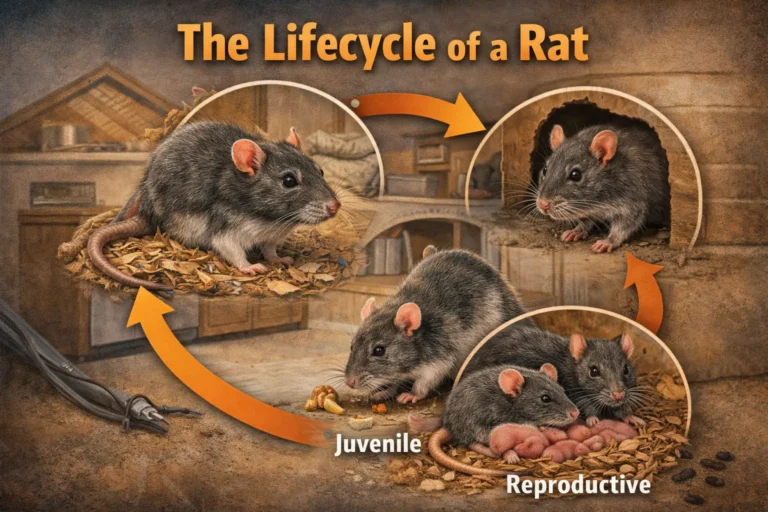
A small rodent problem can grow quickly. Female mice can produce several litters each year. Within a short period, a few mice can turn into a large population.
This rapid growth makes early action important.
How to Prevent Mice from Entering Your Home
Sealing entry points is one of the most effective prevention methods. Small cracks and gaps should be closed using durable materials.
Food should always be stored in sealed containers. Kitchen surfaces should remain clean and free of crumbs.
Outdoor areas should also be maintained. Trim vegetation away from walls and store firewood at a distance from the house.
Regular inspections help identify new openings before rodents use them.
When to Call a Professional Mice Removal Service
Some infestations become difficult to control without expert help. Large populations can hide inside walls or attics where traps are less effective.
Professionals can locate nesting areas, seal entry points, and remove the rodents safely. Early intervention prevents serious property damage and health concerns.
Bottom Line
Mice enter homes because they find the resources they need to survive. Food, shelter, warmth, and water make houses attractive environments for rodents.
Reducing these attractants and sealing potential entry points can greatly lower the risk of infestation. Staying alert to early warning signs helps homeowners respond quickly before the problem grows.