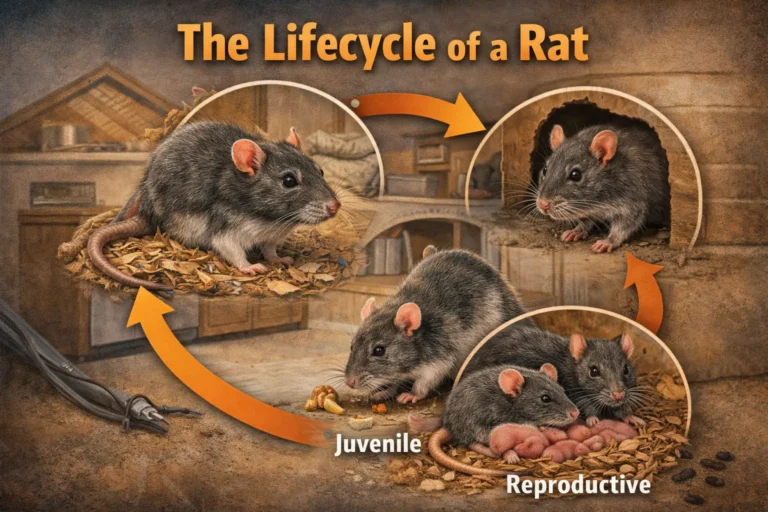

How Santa Barbara’s Climate Affects Rodent Activity
Many homeowners assume that rats and mice become a problem only during cold weather. While that may be true in some parts of the country, Santa Barbara is different. The area’s mild temperatures, coastal influence, and changing seasonal conditions create an environment where rodents can stay active throughout much of the year.
Because the weather rarely becomes harsh enough to slow their activity, rodents often have more opportunities to find food, water, and shelter near homes. This can increase the chances of an infestation if preventive measures are not taken.
Understanding how local weather patterns influence rodent behavior can help homeowners recognize risks earlier and protect their property before a small issue becomes a larger problem.
Why Climate Plays a Major Role in Rodent Activity
Like all animals, rodents depend on their environment to survive. Weather conditions affect where they live, how often they reproduce, and how far they travel in search of resources.
When food is plentiful and temperatures remain comfortable, rats and mice can stay active for longer periods. On the other hand, extreme heat, cold, or drought may force them to move into homes and buildings where conditions are more favorable.
Climate does not create rodents, but it does influence their behavior. Areas with moderate temperatures and access to food and water often experience steady rodent activity throughout the year.
Santa Barbara’s weather provides many of the conditions these pests need to thrive.
Understanding Santa Barbara’s Mediterranean Climate
Santa Barbara is known for its Mediterranean climate. Residents enjoy warm, dry summers and mild winters. While these conditions are appealing to people, they can also support year-round rodent populations.
Mild Winters
In many colder states, long periods of freezing weather can reduce rodent activity outdoors. Some populations decline naturally due to limited food and harsh conditions.
Santa Barbara rarely experiences such extremes. Winters are generally mild, allowing rats and mice to continue searching for food and building nests.
Because outdoor activity does not stop completely, homeowners may notice rodents entering attics, garages, crawl spaces, and storage areas during cooler months.
Dry Summers
Summer brings long stretches of dry weather. As natural water sources become limited, rodents often expand their search for moisture.
Leaky outdoor faucets, irrigation systems, pet water bowls, birdbaths, and dripping pipes can attract rodents looking for a reliable water source.
Even a small amount of water can draw them closer to homes.
Coastal Conditions
Santa Barbara’s location along the coast helps keep temperatures relatively stable throughout the year.
Unlike inland areas that experience larger temperature swings, coastal neighborhoods often provide comfortable conditions for rodents during every season. This can support ongoing activity and make it easier for rodent populations to remain established.
Common Rodents Found in Santa Barbara
Several rodent species can be found throughout the area, but two are responsible for most residential infestations.
Roof Rats
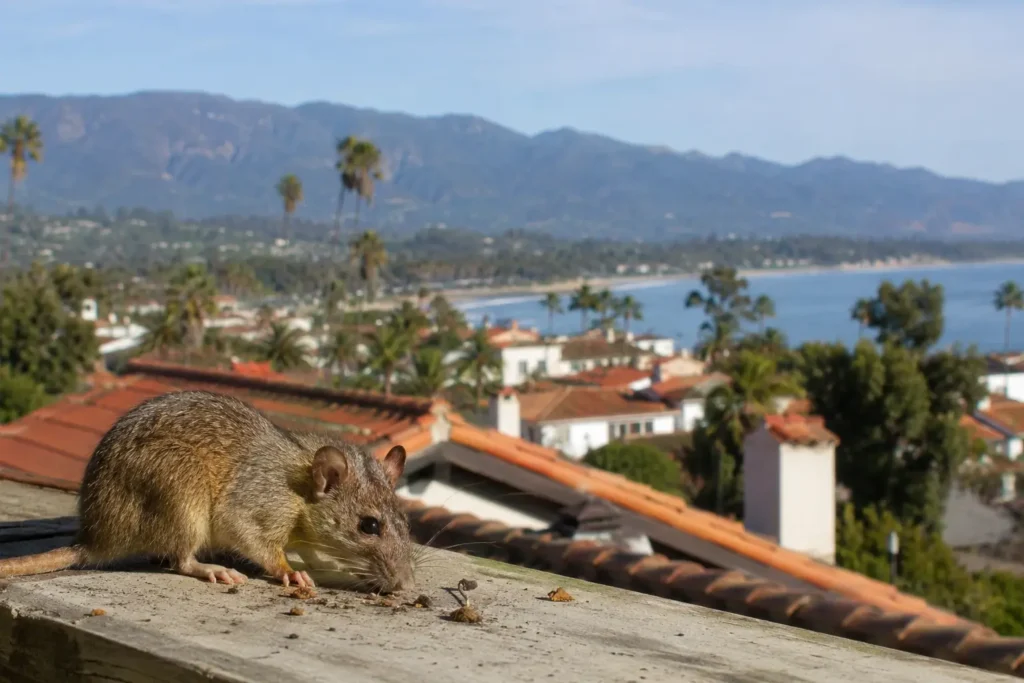
Roof rats are one of the most common rodent problems in Santa Barbara.
These rats are skilled climbers and often travel along fences, trees, utility lines, and rooftops. They frequently nest in attics, wall voids, and dense vegetation.
Fruit trees, palm trees, and overgrown landscaping can provide excellent shelter and food sources for roof rats.
Because they spend much of their time above ground, homeowners may hear scratching or movement in ceilings before seeing any other signs.
House Mice
House mice are much smaller than rats but can still create significant problems.
They can squeeze through surprisingly small openings and often enter homes through gaps around doors, utility lines, vents, and foundations.
Once inside, they seek nesting materials and food. Pantries, storage rooms, garages, and wall cavities are common hiding places.
Their ability to reproduce quickly means a small mouse problem can grow rapidly if left untreated.
How Rodent Activity Changes Throughout the Year
Although rodents remain active year-round, certain seasonal conditions can influence their behavior.
Spring
Spring often brings increased breeding activity.
As temperatures become warmer and food becomes more available, rodent populations may begin to grow. New litters can lead to more movement around residential areas as young rodents search for territory and resources.
Homeowners may notice increased activity around yards, sheds, and outdoor storage areas during this time.
Summer
Dry conditions can create new challenges for rodents.
Water becomes a valuable resource, causing rats and mice to explore properties where moisture is available. Irrigation systems, garden areas, and outdoor pet stations may become attractive gathering spots.
During periods of extreme heat, rodents may also seek cooler shelter inside homes and buildings.
Fall
Fall is often a busy season for rodent movement.
As temperatures gradually cool and natural food sources begin to change, rodents start looking for protected nesting locations.
Attics, garages, crawl spaces, and wall voids offer safety and warmth. Many infestations begin during this period because rodents are actively searching for shelter.
Winter
In colder regions, rodent activity may slow significantly. Santa Barbara’s winters, however, are generally mild enough to allow continued movement and feeding.
Rodents may spend more time indoors, but they rarely disappear completely.
This is one reason homeowners should remain vigilant throughout the year rather than focusing only on winter prevention.
Why Mild Winters Increase Infestation Risk
One of the biggest factors contributing to local rodent issues is the lack of prolonged freezing temperatures.
Cold weather can naturally limit survival rates and breeding activity in some parts of the country. Santa Barbara’s climate does not typically provide these conditions.
As a result, rodents often have longer breeding seasons and higher survival rates.
This means populations can remain stable or continue growing throughout much of the year.
For homeowners, this creates a greater need for ongoing prevention rather than seasonal treatment alone.
Waiting until signs become obvious may allow an infestation to become more established.
How Drought Conditions Affect Rodent Behavior
California periodically experiences drought conditions, and these dry periods can influence rodent movement.
When water sources become scarce in natural environments, rodents often travel farther to find what they need.
Residential properties may provide exactly what they are looking for.
Common attractants include:
- Leaking outdoor faucets
- Drip irrigation systems
- Birdbaths
- Pet water bowls
- Air conditioning condensation
- Standing water around landscaping
In addition to water, irrigated lawns and gardens can support insects, fruits, seeds, and vegetation that serve as food sources.
This combination of food and moisture can make residential areas especially attractive during dry conditions.
Signs Climate-Driven Rodent Activity May Be Affecting Your Home
Rodent activity often begins quietly.
Many homeowners do not realize there is a problem until signs become more noticeable.
Common warning signs include:
- Droppings near food storage areas
- Scratching sounds inside walls or ceilings
- Gnaw marks on wood, plastic, or wiring
- Nesting materials such as shredded paper or insulation
- Grease marks along walls
- Unusual pet behavior
- Sightings during daytime hours
Attics are particularly vulnerable because they provide warmth, protection, and limited human activity.
Regular inspections can help identify problems before significant damage occurs.
How Homeowners Can Reduce Climate-Related Rodent Problems
While weather conditions cannot be controlled, homeowners can take several steps to make their property less attractive to rodents.
Seal Entry Points
Inspect the exterior of the home for gaps, cracks, and openings.
Pay close attention to areas around pipes, vents, utility lines, and roof penetrations.
Even small openings can provide access.
Remove Outdoor Food Sources
Store pet food properly and clean up fallen fruit from trees.
Bird feeders should be maintained carefully since spilled seed can attract unwanted visitors.
Trash containers should remain tightly closed.
Eliminate Standing Water
Address leaks quickly and avoid allowing water to collect around the property.
Reducing moisture can make your home less appealing during dry periods.
Trim Trees and Vegetation
Overhanging branches can provide easy access to roofs and upper levels of a home.
Keeping vegetation trimmed can reduce hiding places and travel routes.
Schedule Regular Inspections
Routine inspections can help identify vulnerabilities before rodents take advantage of them.
Early detection often makes prevention easier and more cost-effective.
When to Seek Professional Rodent Control
Sometimes prevention efforts are not enough.
If you continue hearing noises in the attic, finding droppings, or noticing repeated signs of activity, professional assistance may be necessary.
An experienced rodent control specialist can identify entry points, locate nesting areas, and develop a plan that addresses the root cause of the problem.
Professional inspections are particularly valuable when infestations involve attics, crawl spaces, or hidden areas that are difficult to access.
Conclusion
Santa Barbara’s pleasant climate is one of the reasons people enjoy living in the area. Unfortunately, many rodents enjoy those conditions as well.
Mild winters, dry summers, and stable coastal temperatures can support year-round activity and increase the likelihood of rodents seeking food, water, and shelter near homes.
Understanding how seasonal conditions influence rodent behavior can help homeowners recognize risks earlier and take preventive action before infestations become serious.
By maintaining your property, addressing potential entry points, and staying alert for warning signs, you can reduce the chances of rodents turning your home into theirs.